It was fantastic to welcome the international cryosphere community to Wellington in early February for the Climate and Cryosphere Conference 2026, supported by the World Climate Research Programme Climate and Cryosphere Project (CliC) and Scientific Committee on Antarctic Research’s INSTANT research programme. The meeting brought together around 500 researchers, practitioners, and stakeholders from across the world to share the latest science and perspectives on the rapidly changing cryosphere.
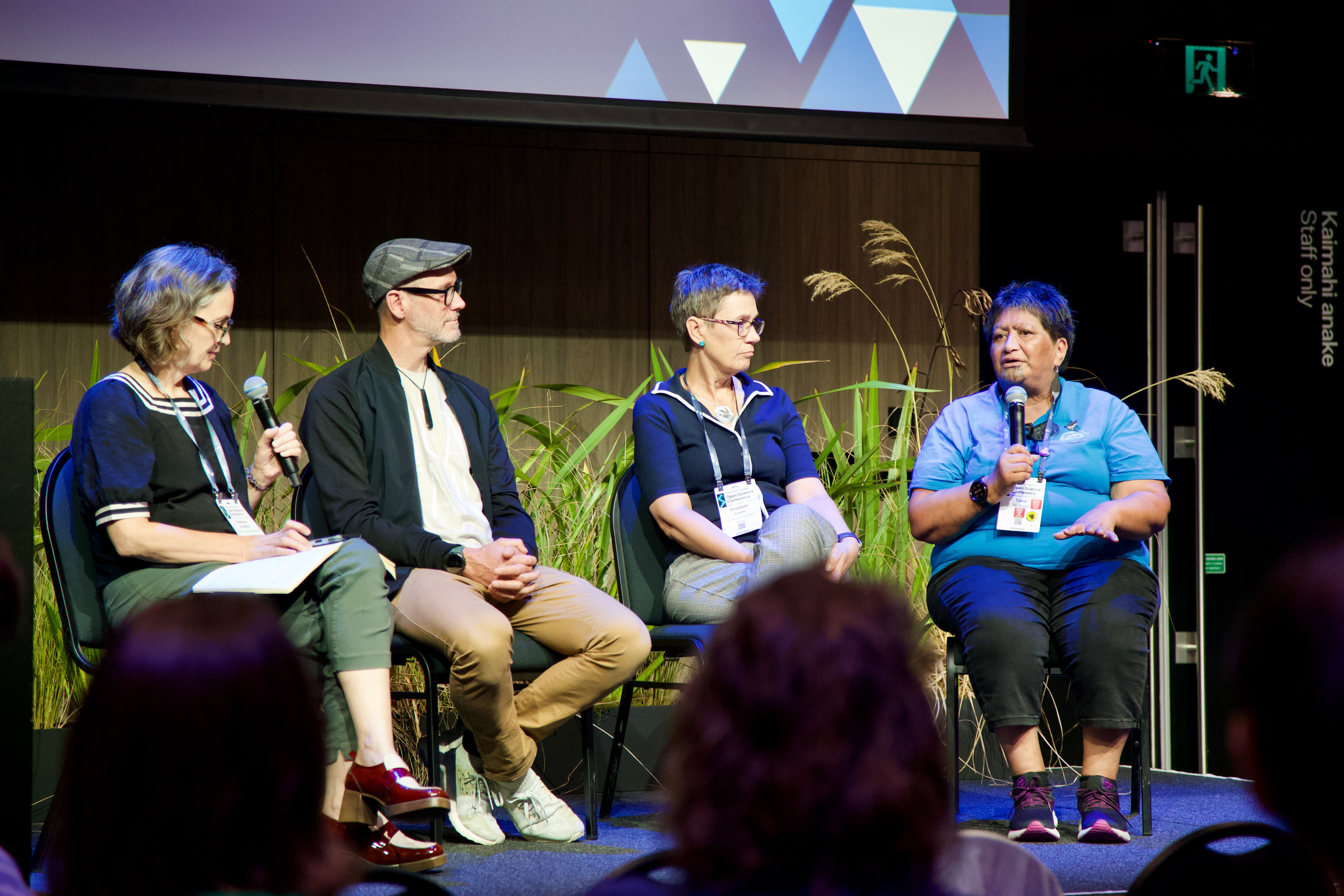
A strong theme throughout the conference was the importance of connecting science with communities and decision-making. Sessions highlighted Indigenous Arctic experiences and challenges, approaches to science communication, and new ways of advancing interdisciplinary research. Morning plenaries in particular emphasised “end-to-end” science — bringing together researchers, end-users, educators, and policy stakeholders to better translate climate system understanding into practical decision-making on the ground.
I had the pleasure of convening a Paleoclimate session alongside Bella Duncan, Imogen Browne and Theresa King. The session was one of the largest of the conference, featuring 31 talks and 56 posters. Presentations ranged from exciting new results from the Roosevelt Island Climate Evolution Project (RICE) and ColDEX Ice Core Project ice cores, through to new analytical methodologies, broad spatial and temporal syntheses of paleoclimate records, and advances in modelling approaches.
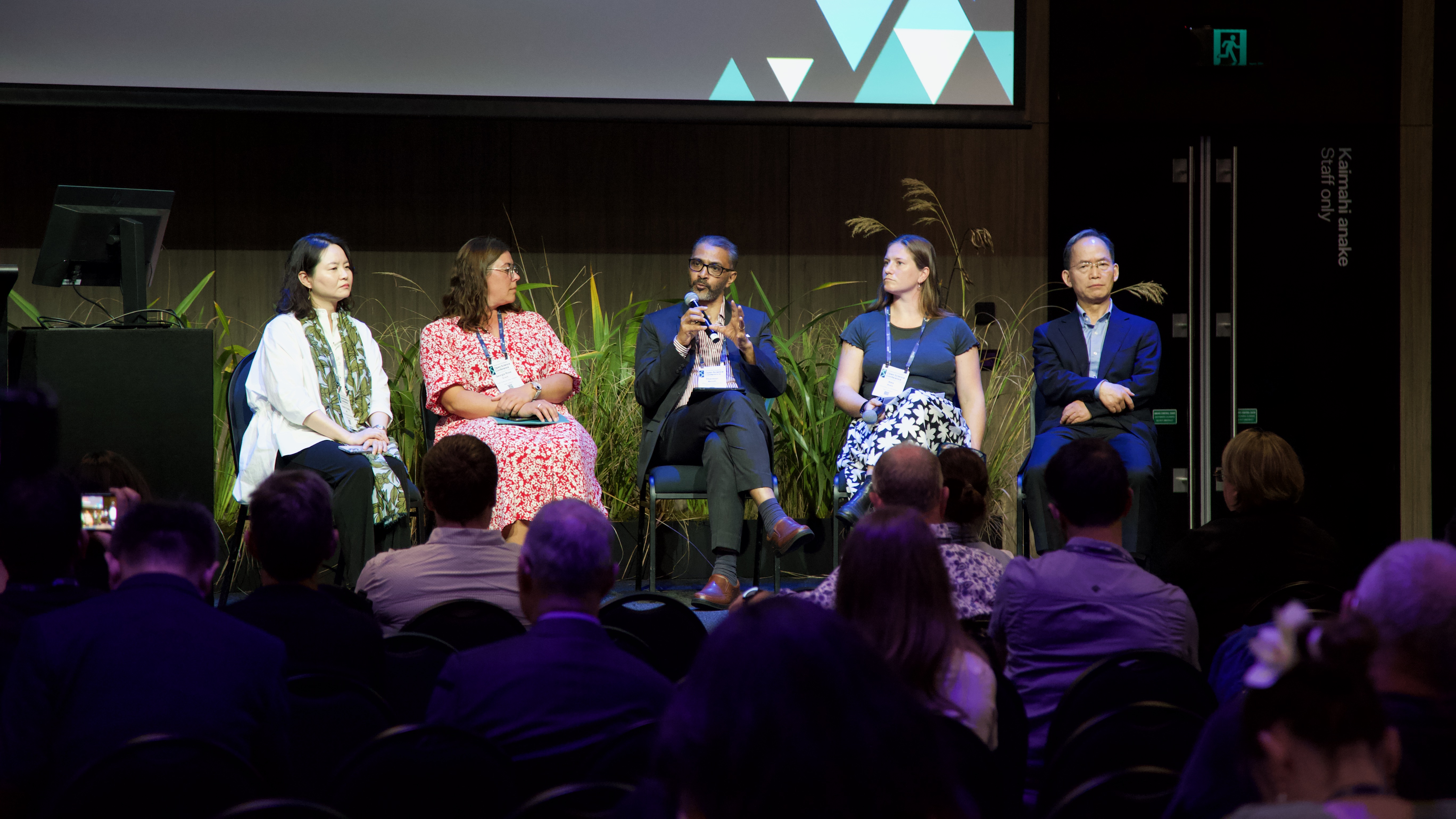
The week concluded with a workshop hosted by the INSTANT – Instabilities and Thresholds in Antarctica research programme at Museum of New Zealand Te Papa Tongarewa. Around 70 participants gathered to discuss how Antarctic science can better deliver robust sea-level projections. The workshop was very well received by the community and was attended by several keynote speakers from the conference, highlighting strong interest in translating fundamental science into actionable outcomes.
More broadly, the meeting reinforced just how connected and motivated the cryosphere community remains. Researchers are working across disciplines and regions to deepen our understanding of ice-sheet change and its implications for society.
Several key themes emerged from the discussions:
- Ice shelf and glacier tongue stability: New work is highlighting the complex processes that influence calving behaviour and the stability of ice shelves and glacier tongues.
- Cascading uncertainties: From socio-economic emission pathways through to climate forcing, model structure, and parameter choices, uncertainties propagate through the system and ultimately affect projections such as future sea-level rise.
- Regional impacts and responses: Climate risks and impacts are felt differently around the world, meaning that locally appropriate information and solutions are essential for communities and decision-makers.
- Citizen science opportunities: Participants also highlighted the growing potential for citizen science initiatives to contribute valuable observations, particularly in remote regions where monitoring can be challenging.
Overall, the conference demonstrated both the rapid progress being made in cryosphere science and the strong commitment within the community to ensure that this knowledge supports real-world decision-making.
Discover more from SIRG - Snow and Ice Research Group New Zealand
Subscribe to get the latest posts sent to your email.
